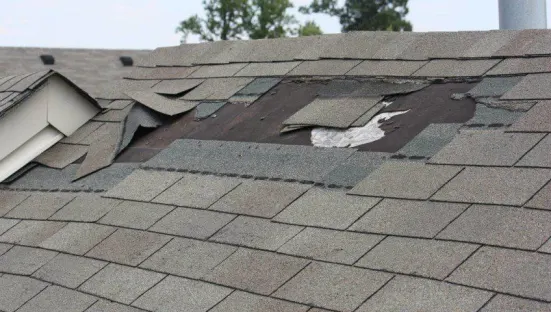
Your roof stands as the primary defense against nature’s elements, enduring countless weather patterns throughout its lifetime. Think of it as your home’s first responder to everything Mother Nature throws its way. Understanding how different weather conditions affect your roofing system isn’t just useful knowledge,it’s essential for homeowners who want to maximize their investment and maintain structural integrity. Weather-related damage accounts for a significant portion of premature roof failures, which makes recognizing the various ways climate impacts roofing materials absolutely crucial.
Sun Exposure and UV Radiation Damage
Prolonged exposure to ultraviolet radiation represents one of the most underestimated threats to roofing longevity, quietly working away day after day. The sun’s intense rays gradually break down the chemical bonds in roofing materials, causing them to become brittle, crack, and deteriorate over time, much like how your car’s dashboard fades after years of sunlight exposure. Asphalt shingles are particularly vulnerable to UV damage, as the oils within the asphalt evaporate under constant heat exposure, leading to oxidation and granule loss. This process accelerates in regions with high solar intensity, where roofs can reach surface temperatures exceeding 160 degrees Fahrenheit during peak summer months, hot enough to fry an egg! Dark-colored roofing materials absorb more heat than lighter alternatives, intensifying thermal stress and potentially reducing lifespan by several years.
Wind Damage and Storm-Related Wear
High winds pose an immediate and dramatic threat to roofing systems, capable of lifting shingles, tearing off flashing, and exposing vulnerable underlayment to the elements. Even moderate winds can work underneath loose or aging shingles, gradually compromising their attachment points and creating entry points for water infiltration. It’s a sneaky process that often goes unnoticed until significant damagehas occurred. Storm events with sustained winds above 50 miles per hour can cause catastrophic damage, particularly to roofs that have already experienced wear from other weather factors.
Rain, Moisture, and Water Infiltration
Water representsperhaps the most pervasive and damaging weather element affecting roof longevity, with moisture intrusion leading to rot, mold growth, and structural deterioration. Persistent rainfall can exploit even minor defects in roofing systems, seeping through compromised shingles, damaged flashing, or deteriorated sealants to reach the underlying deck and interior spaces. The freeze-thaw cycle in colder climates compounds moisture damage, as water trapped within roofing materials expands when frozen, creating cracks and separations that worsen with each temperature fluctuation. Poor drainage systems or clogged gutters exacerbate water-related problems by allowing standing water to pool on roof surfaces, accelerating material breakdown and increasing the likelihood of leaks.
Snow, Ice, and Freeze-Thaw Cycles
Winter weather introduces unique challenges that can dramatically impact roofing durability, with accumulated snow creating substantial weight loads that stress structural components. Ice dams form when heat escaping from the home melts snow on the roof, which then refreezes at the eaves, creating barriers that trap water and force it underneath shingles, it’s like creating a miniature ice fortress that works against your roof’s best interests. The repeated expansion and contraction caused by freeze-thaw cycles creates microscopic cracks in roofing materials that gradually enlarge into significant breaks and failures. Metal roofing components, including flashing and fasteners, are particularly vulnerable to thermal cycling, which can cause connections to loosen and create gaps in the waterproof envelope.
Hail and Impact Damage Considerations
Hailstorms deliver concentrated impact damage that can instantly compromise roofing integrity, creating bruises, cracks, and punctures that may not be immediately visible but significantly reduce remaining lifespan. The severity of hail damage depends on multiple factors including hailstone size, wind speed, trajectory angle, and the age and condition of existing roofing materials, it’s a complex equation that varies with each storm. Asphalt shingles subjected to hail impacts may lose protective granules, exposing the underlying mat to accelerated weathering and UV degradation even if the initial damage appears superficial. Metal roofs can sustain permanent denting from large hail, while tile and slate materials may crack or shatter entirely under severe impact forces. When assessing damage from severe weather events, roofing repair professionals can identify compromises that homeowners might overlook, ensuring timely intervention that prevents secondary problems from developing. Insurance claims related to hail damage represent billions of dollars in annual losses, highlighting the significant economic impact of these weather events on roofing systems nationwide, numbers that underscore just how serious hail damage really is.
Temperature Extremes and Thermal Stress
Dramatic temperature fluctuations subject roofing materials to constant expansion and contraction, creating mechanical stress that gradually fatigues materials and accelerates aging processes. Roofs in regions experiencing wide daily temperature swings face particularly challenging conditions, as materials repeatedly expand during hot daytime hours and contract during cooler nights, it’s an exhausting cycle that never truly ends. This thermal cycling affects different roofing components at varying rates, creating differential movement that can compromise seals, loosen fasteners, and create gaps in the protective envelope. Extreme cold makes many roofing materials brittle and more susceptible to cracking, while excessive heat can cause materials to soften, sag, or lose their structural properties altogether.
Conclusion
Weather represents the single most influential factor determining how long your roof will effectively protect your home and family. From UV radiation and thermal stress to wind damage and moisture intrusion, understanding these weather-related challenges empowers homeowners to make informed decisions about materials, maintenance, and timely repairs. Regular professional inspections, particularly after severe weather events, help identify developing problems before they escalate into costly emergencies or premature system failure, catching issues early always saves money in the long run. Investing in quality materials appropriate for your local climate, maintaining proper ventilation and drainage, and addressing minor issues promptly can significantly extend roof lifespan despite challenging weather conditions.