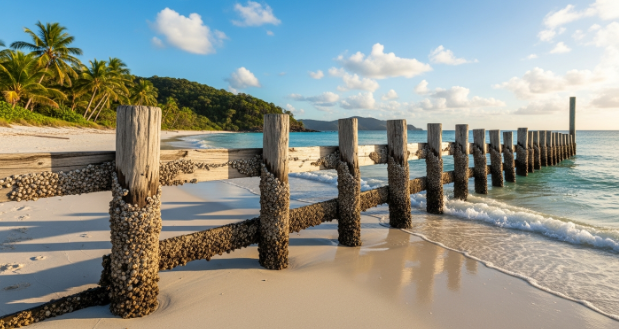
The Whitsundays beach fence often becomes a major point of curiosity for travelers planning trips to this iconic Australian region. While the Whitsundays are famous for crystal-clear water and bright white sand, visitors also want to understand why certain fenced areas exist and how these fences impact beach access, marine protection, and overall visitor safety. This in-depth guide explains everything in clear, structured language, ensuring you get accurate, easy-to-understand insights.
Understanding the Purpose of the Whitsundays Beach Fence
The Whitsundays beach fence serves multiple purposes, and each one improves the visitor experience. Since the region welcomes thousands of travelers, fencing helps protect fragile ecosystems while guiding people safely. Moreover, these structures reduce human impact in sensitive zones and maintain natural beauty.
Additionally, fences support wildlife conservation. Because turtles nest across several beaches, controlled access ensures fewer disturbances. Consequently, you can explore the islands responsibly while the environment thrives.
How the Whitsundays Beach Fence Supports Visitor Safety
Visitor safety remains a top priority in the Whitsundays. Therefore, fencing plays a vital role along selected coastal sections. It directs foot traffic and prevents travelers from entering steep, unstable, or erosion-prone areas. As a result, you can walk confidently across designated pathways.
Furthermore, fences help families with children navigate beaches comfortably. They create visual boundaries, reduce accidental entry into deep water zones, and improve crowd flow. This structured access gives travelers a more secure experience from arrival to departure.
Environmental Protection Benefits of the Whitsundays Beach Fence
Environmental preservation becomes even more important when tourism grows. Consequently, the Whitsundays beach fence functions as a protective barrier for native flora. It keeps visitors from stepping on fragile dune systems that can take years to recover. By doing so, natural landscapes stay healthy and stable.
Additionally, fencing supports marine life. Certain beaches require restricted zones to protect coral fragments, turtle nesting grounds, and delicate seabed vegetation. While visitors still enjoy beautiful views, these protected sections ensure long-term ecological balance.
How the Fence Enhances the Visitor Experience
The Whitsundays aim to offer a comfortable and organized beach experience. Therefore, fencing improves pathfinding and reduces confusion. Travelers often appreciate clear directions because it shortens walking time and brings them faster to the breathtaking viewpoints.
Moreover, structured beach access creates a more peaceful atmosphere. Since foot traffic spreads evenly, crowded bottlenecks disappear. Visitors move smoothly, enjoy calmer surroundings, and interact with nature without disruption.
Whitsundays Beach Fence and Tourism Management
Tourism management relies on smart planning. Hence, fences allow operators to balance high visitor numbers with environmental protection. They guide movement, protect vegetation, and ensure beaches stay attractive. When each element works together, tourism remains strong and sustainable.
Additionally, controlled access helps maintain high cleanliness standards. Waste management improves when people use designated areas. This encourages responsible travel habits and enhances beach conditions year-round.
Design Features of the Whitsundays Beach Fence
The fence design blends naturally with the coastline. Because local conditions are unique, materials often include wood or rope to complement the environment. These natural textures reduce visual impact while providing strong durability.
Furthermore, fencing remains low-profile to preserve scenic views. It guides visitors without blocking the horizon. As a result, travelers enjoy panoramic landscapes while staying on the correct paths.
Access Points and How to Navigate Them
You will find several access points along fenced sections. These entry routes ensure smooth transitions between walking tracks and beachfront areas. Since signage is clear and strategic, navigating becomes simple and convenient.
Additionally, consistent pathway maintenance guarantees accessibility during peak seasons. Staff regularly inspect and upgrade these routes to ensure visitors experience safe, uninterrupted movement.
Impact on Wildlife and Marine Species
The Whitsundays support diverse wildlife. Therefore, fenced zones protect nesting turtles, coastal birds, and shoreline vegetation. By limiting access, the region minimizes disturbances that could harm breeding cycles.
Moreover, fencing reduces habitat destruction. With guided foot traffic, animals maintain undisturbed spaces to feed, rest, and nest. This contributes to long-term population stability across the islands.
How the Whitsundays Beach Fence Supports Sustainable Tourism
Sustainability guides all Whitsundays management decisions. Because fencing supports conservation goals, it aligns perfectly with long-term tourism strategies. Protecting ecosystems ensures beaches remain beautiful for future generations.
Furthermore, controlled access helps educate visitors. As travelers follow paths, they learn more about responsible tourism and environmental protection. This awareness strengthens the region’s sustainability culture.
Visitor Tips for Respecting the Whitsundays Beach Fence
You can enhance your trip by respecting fenced areas. Always follow marked pathways because they safeguard landscapes and wildlife. Small choices create positive impacts.
Additionally, avoid climbing or stepping over rope barriers. These boundaries protect critical habitats. When you engage responsibly, you help maintain the region’s natural beauty for everyone.
Conclusion
The Whitsundays beach fence supports safety, sustainability, and a smoother visitor experience. Because these structures enhance both environmental protection and beach access, they benefit every traveler. When you understand their purpose, you explore more responsibly and appreciate the region more deeply.
FAQs
1. Why does the Whitsundays have beach fences?
They protect dunes, guide visitor movement, and support wildlife conservation while enhancing safety.
2. Do the fences block beach access?
No. They only direct foot traffic toward safe and environmentally friendly pathways.
3. Are the fences permanent?
Some are long-term structures, while others adjust based on seasonal wildlife or maintenance needs.
4. Can I take photos near fenced areas?
Yes. The fences stay low-profile, so visitors can capture scenic views without obstruction.
5. Do the fences affect wildlife?
They protect wildlife by reducing human disturbances and securing sensitive habitats.