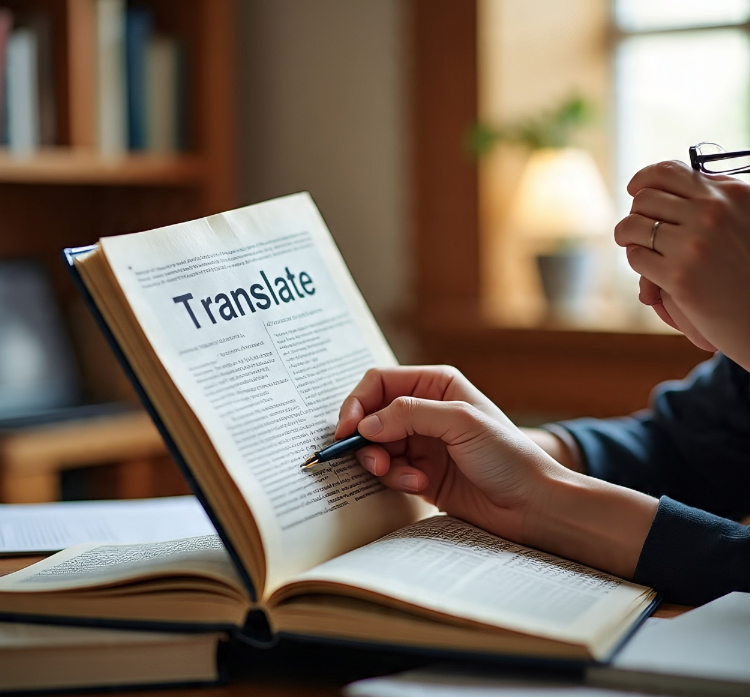
Translate is the process of converting words or text from one language to another. It is one of the most important skills in our globalized world. With people from different countries communicating daily, translation helps bridge language barriers. Whether for business, travel, education, or technology, translation makes communication easier and more effective.
Translation is not just about changing words; it’s about conveying the meaning and context. A good translator ensures that the original message is accurately understood in another language. For example, translating a book or article requires preserving the tone, style, and cultural nuances. This is why translation is often seen as both an art and a science.
Types of Translation
There are several types of translation depending on the purpose and content. Some common types include:
- Literary Translation: This involves translating books, poems, and stories. The translator must keep the style and emotion of the original text.
- Technical Translation: This includes user manuals, instructions, and guides. Accuracy is very important because even a small mistake can cause problems.
- Business Translation: This type focuses on documents like contracts, emails, reports, and marketing materials. It requires clear and professional language.
- Legal Translation: Legal translation deals with laws, agreements, and official documents. Precision and attention to detail are critical.
- Website and Software Translation: This involves translating digital content, apps, and websites so they are understandable to users in different languages.
How Translation Works
Translation usually follows these steps:
- Understanding the Text: The translator reads and understands the source text carefully.
- Converting Meaning: The translator rewrites the content in the target language while keeping the meaning intact.
- Review and Proofreading: After translating, the text is checked for accuracy, grammar, and style.
- Final Delivery: The final version is delivered to the client or published.
Modern translation also uses technology. Machine translation tools like Google Translate can provide quick translations. However, machines may not always capture the nuances or context of language. Human translators are still needed for high-quality, accurate translations.
Importance of Translation
Translation plays a key role in many areas:
- Education: Students and researchers can access knowledge in other languages.
- Business: Companies can expand globally by translating marketing materials and contracts.
- Travel and Tourism: Travelers rely on translation to communicate in foreign countries.
- Healthcare: Medical translation ensures that patients understand their treatments and medications.
- Culture Exchange: Translation helps share literature, art, and media across cultures.
Without translation, communication between people from different language backgrounds would be very difficult. It allows us to connect with the world and understand diverse perspectives.
Challenges in Translation
Translation is not always easy. Some common challenges include:
- Idioms and Expressions: Some phrases do not have direct equivalents in another language.
- Cultural Differences: Words and ideas can have different meanings in different cultures.
- Technical Terms: Specialized knowledge is required for legal, medical, or scientific content.
- Maintaining Tone and Style: Literary works or marketing content require careful attention to tone and style.
To overcome these challenges, translators need language proficiency, cultural understanding, and sometimes, expert knowledge in a specific field.
Tools for Translation
Technology has made translation faster and more accessible. Popular translation tools include:
- Google Translate: A free online tool that supports many languages.
- DeepL: Known for accurate and natural translations, especially for European languages.
- Microsoft Translator: Offers text, speech, and image translation.
- CAT Tools: Computer-Assisted Translation (CAT) tools help professional translators manage large projects efficiently.
These tools are useful for quick translations, but professional human translators are essential for accuracy, especially for important documents.
Tips for Accurate Translation
If you want to translate text effectively, here are some tips:
- Understand the context before starting.
- Avoid literal translation; focus on meaning.
- Use trusted dictionaries and translation tools.
- Review your translation carefully.
- Consider cultural differences to make the text more understandable.
By following these tips, you can produce translations that are clear, accurate, and meaningful.
The Future of Translation
The future of translation is bright, with technology playing a key role. Artificial Intelligence (AI) and Machine Learning are improving the quality of machine translations. Real-time translation devices and apps are helping people communicate instantly. However, human translators will always be important because machines cannot fully understand emotions, culture, or context like humans do.
Conclusion
Translation is more than just converting words from one language to another. It is a bridge that connects people, cultures, and ideas. Whether through literature, business, education, or travel, translation allows us to communicate and share knowledge across the world. With the help of technology, translation is becoming faster and more accessible, but the human touch remains essential. Understanding translation helps us appreciate its importance and the skill required to do it well.
FAQs
Q1. What is translation?
Translation is the process of converting text or speech from one language to another while keeping the meaning intact.
Q2. What is the difference between translation and interpretation?
Translation deals with written text, while interpretation deals with spoken language in real time.
Q3. Can machines translate accurately?
Machines can translate quickly, but they may miss context, tone, or cultural nuances. Human translators provide more accurate results.
Q4. What skills are needed to become a translator?
A good translator needs excellent language skills, cultural knowledge, attention to detail, and sometimes expertise in a specific field.
Q5. What are common challenges in translation?
Challenges include idioms, cultural differences, technical terms, and maintaining the original tone and style.